Why Rucking
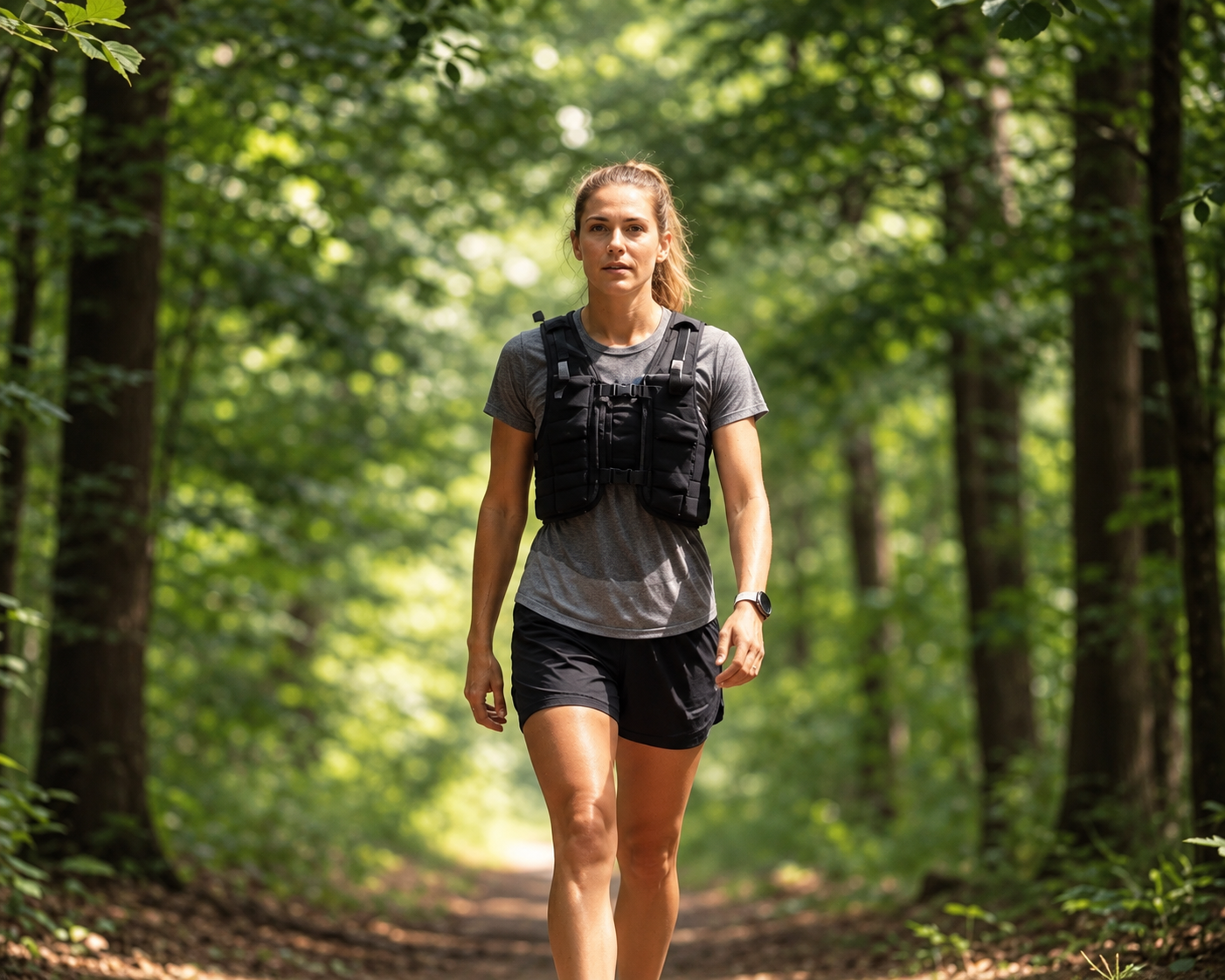
Made for the Lifelong Athlete in All of Us
Rucking adds weight to walking, creating muscular and cardiovascular work without requiring a running gait. Adjust the load, distance, pace and terrain to suit your current capacity, to challenge yourself, build strength and feel the significant benefits of regular training.
A Natural Fit for Cognitive Fitness Training.
Rucking adds weight rather than relying on speed to make walking more demanding. At an appropriate load and pace, you can work physically while leaving room to listen, think and remain attentive to your surroundings.
The RuckWild App brings structured cognitive challenges into your regular workout routine. Choose a themed session before you begin, respond in your mind and keep moving.
Explore Cognitive Fitness Training →Walking with Weight Simply Works.
Strengthening Exercise
Rucking combines walking with added external resistance. It provides a different set of muscle demand than cycling or swimming, and can more effectively build full-body strength as part of a varied training routine. Rucking builds strength by loading the muscles that drive upright, powerful movement — the upper back, core, glutes, hamstrings, quads, and calves — forcing them to work harder with every step and turning a simple walk into a full core and posterior‑chain conditioning session.
Lower Impact Than Running
Walking retains contact with the ground rather than alternating an airborne phase with repeated landings. The repetitive impact stress of running leads to a far higher injury rate than rucking, and the associated stop and restart training cycles that lead to stagnation. Rucking, when done correctly, retains a walking gait, resulting in a far lower injury rate than running, which allows you to train more consistently and productively over the long term.
Sustained Aerobic Training
Rucking delivers aerobic benefits because carrying load elevates your heart rate at walking speed, forcing your cardiovascular system to work harder while staying low‑impact — improving VO₂ max, endurance, and metabolic efficiency without the joint stress of running. Pack weight, pace, hills and terrain influence cardiovascular effort. Adjust them to create a sustained workout that fits your capacity and leaves room for the cognitive challenges you have chosen.
Posture and Stability
Rucking helps undo “screen‑and‑chair” posture because the load naturally cues the body into better alignment — it pulls the shoulders back, engages the upper back and core, and restores the hip extension that prolonged sitting shuts down. The weight forces the postural muscles to wake up and work together, rebuilding the strong, upright frame modern life erodes. A stable, close-fitting pack or weight vest requires your trunk and upper back to work while you move. Stand tall, walk naturally and choose a load you can carry without losing comfortable, proper form.
Start simple. Build steadily.
A comfortable backpack or weighted vest that holds its load securely and close to your body is enough to begin. You do not need expensive specialist equipment.
Your First Ruck
Start light, choose a familiar route and a manageable duration. Finish feeling that you could have continued. Your first ruck establishes a starting point from which to build.
Increase One Variable at a Time
Distance, duration, load, pace and terrain can all make the workout more demanding. Build consistency before increasing the challenge, and avoid changing everything at once.
Keep Room to Think
When using Cognitive Fitness sessions, choose physical effort that allows you to follow the challenges and remain aware of your surroundings. Give crossings, uneven terrain and other people your full attention.
Build toward your own goals.
RuckWild’s Begin, Build, Thrive and Elite programs provide graduated physical-training targets. Each level offers a Long Course and a One-Hour Walk target. Qualifying Rucks fill the points on your program trail. Every saved workout remains in your history, whether or not it meets the criteria of a "Qualifying Ruck". Moving up is your choice.
What the App Records
Review load, distance, duration, estimated work rate in watts and estimated energy in calories. Work-rate and energy estimates use the Pandolf load-carriage calculation on your device. Your Cognitive Fitness session history records the sessions you have completed.
Put the phone away. Participate in the experience.
Set up your workout before you begin. Listen, think, notice your surroundings and enjoy the physical work. No account. No ads. No data harvesting. Your workout history stays privately on your device.
Explore the Research →Explore RuckWild Life →